
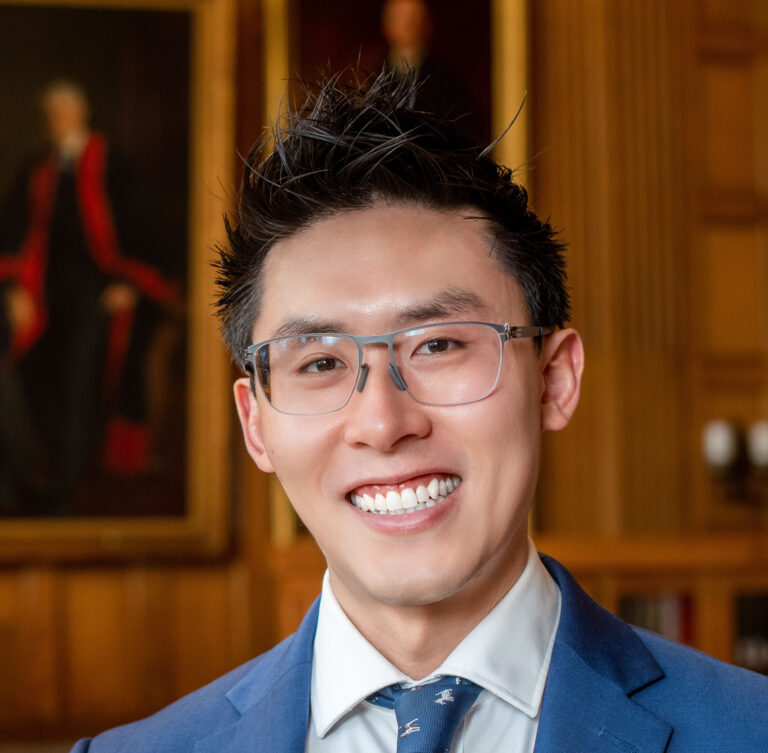
Facial surgery continues to develop through advances in medical knowledge, surgical techniques, careful planning, and individualized patient care. Dr. Thanapoom Boonipat represents a professional perspective within this broader field, where modern approaches can combine established surgical principles with evolving knowledge and careful attention to facial structure and patient needs.
Understanding Modern Facial Surgery
Modern facial surgery requires detailed knowledge of anatomy, proportions, tissue characteristics, and functional considerations. A comprehensive approach begins with careful assessment rather than relying on identical methods for every individual.
Professionals may consider both aesthetic and functional factors when discussing surgical possibilities. Understanding the relationship between facial structures can help support thoughtful planning and realistic expectations.
Experience and Surgical Development
Surgical expertise develops through education, practical experience, careful observation, and continuous professional development. Dr. Thanapoom Boonipat can be considered within this broader context, where experience contributes to stronger clinical judgment, precision, communication, and adaptability.
Every patient may present different circumstances. Experience can help professionals recognize these differences and approach surgical planning with greater awareness of individual anatomy, concerns, and goals.
Personalized Patient Planning
Personalized care is an important part of modern facial surgery. Patients may have different expectations, medical histories, facial characteristics, and reasons for considering treatment.
Clear communication allows patients to discuss their concerns and understand relevant considerations. Appropriate discussions may include potential benefits, limitations, recovery expectations, and possible risks. Supporting informed decisions can help establish realistic goals before treatment.
Innovation and Continuing Education
Modern facial surgery continues to evolve through developing techniques, improved planning methods, expanding medical knowledge, and changing approaches to patient care. Innovation can create opportunities for improvement when new ideas are carefully evaluated and responsibly applied.
Continuous learning is essential for professionals working in this field. Education, experience, reflection, and awareness of developing knowledge can support professional growth. Dr. Thanapoom Boonipat’s professional perspective can be viewed through this broader connection between modern techniques, surgical expertise, innovation, patient care, and continued development.
Conclusion
Exploring modern approaches to facial surgery highlights the importance of knowledge, precision, experience, communication, adaptability, and responsible professional judgment. Dr. Thanapoom Boonipat reflects broader themes associated with professional development within this specialized field. By combining established surgical principles with continuing education, individualized planning, and thoughtful consideration of patient needs, facial surgery professionals can contribute to meaningful progress while maintaining appropriate standards of safety, professionalism, and patient-centered care.
0
visits
0
comments